Professional Cat Petter Embroidery Design Review
A First Look at Professional Cat Petter
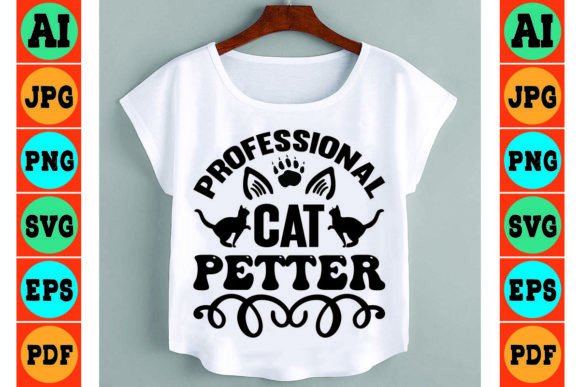
When I first opened the Professional Cat Petter embroidery design, I was immediately drawn to its playful yet refined aesthetic. The cat motif is charmingly stylized, with a balance of detail that makes it feel both whimsical and professional. It’s not overly intricate, which is a good sign for versatility in stitching. The overall mood is light-hearted, making it perfect for projects that aim to evoke warmth or a sense of fun.
The shape is compact but expressive, with well-defined features that should translate well into stitch form. The layout feels intentional—each element contributes to the character without overwhelming the viewer. This kind of design naturally belongs on items like tote bags, baby clothes, or even patches for handmade accessories.
Real-World Use: Custom Embroidered Tote Bag
Let’s imagine using Professional Cat Petter on a custom embroidered tote bag. As someone who regularly works on small business merchandise, I know how important visual appeal is. This design has enough detail to stand out but isn’t so complex that it would lose clarity on a larger fabric surface. It could easily be placed in the center or corner of a tote, depending on the brand’s style.
I can see this design working well as part of a collection for a boutique or Etsy shop. Its friendly vibe would resonate with customers looking for personalized gifts or unique home decor. When stitched, the cat’s eyes and whiskers will likely pop against most backgrounds, adding a touch of personality to any product.
For a project like this, I’d recommend testing the design on scrap fabric first. Checking thread color contrast is essential—especially if you plan to use it on dark fabrics. A white or pastel background might highlight the cat’s features more effectively than a bold color.
Performance in Real-Life Embroidery Projects
Professional Cat Petter seems like a solid choice for a variety of real-life embroidery applications. From custom apparel like sweatshirts and t-shirts to handmade products such as aprons, pillow covers, and tea towels, this design offers a consistent visual presence.
It’s also suitable for embroidered patches, especially for those targeting niche markets like pet lovers or craft enthusiasts. The simplicity of the design allows for creative placement on caps, hats, or even nursery decor items like blankets and wall hangings.
However, there are some scenarios where caution is needed. For example, when using it on small hoop sizes, the details may become less defined. Similarly, textured fabrics or thin materials might require additional stabilizer to prevent distortion. If the design is used on curved surfaces like caps or layered garments, careful alignment and tension adjustments will be necessary to maintain quality.
Also, tiny lettering or dense stitch areas could be an issue if the design includes them, though based on the description, I don’t expect that to be the case here. Still, it’s always wise to review the stitch density and ensure the file doesn’t have hidden complexities that could cause issues during stitching.
Visual Appeal and Brand Value
The visual appeal of Professional Cat Petter is one of its strongest points. It adds a touch of charm to any finished product, which can significantly enhance product value and customer trust. For craft businesses or Etsy sellers, this kind of design helps create a cohesive brand identity that stands out in a crowded marketplace.
Its versatility makes it ideal for personalized gifts and holiday embroidery projects. Whether it's a custom sweatshirt for a birthday or a handmade patch for a pet lover, the design maintains a level of professionalism that elevates the final finished product.
When considering commercial embroidery use, it’s important to confirm licensing terms before selling any digital embroidery files or design assets. Always check whether the design can be used across multiple platforms or for resale, especially if planning to offer it as a downloadable product.
Practical Embroidery Designer Notes
Before using Professional Cat Petter in any project, I recommend a few key steps:
- Test on scrap fabric to evaluate how the design stitches and interacts with different materials.
- Check thread color contrast to ensure visibility on various fabric backgrounds.
- Review stitch density and adjust settings if needed for optimal results.
- Confirm hoop size and make sure the design fits comfortably within your machine’s capabilities.
- Inspect small details for clarity and precision, especially if the design includes subtle elements.
- Use proper stabilizer to prevent shifting or puckering, particularly on stretchy or thin fabrics.
- Test in black and white mockups to assess how the design translates visually under different lighting conditions.
- Compare light and dark fabric backgrounds to determine the best placement and color options.
- Ensure the design works for both personal and commercial projects, keeping licensing requirements in mind.
By following these practical steps, you can ensure that Professional Cat Petter delivers the visual impact and quality expected from a professional machine embroidery design.